
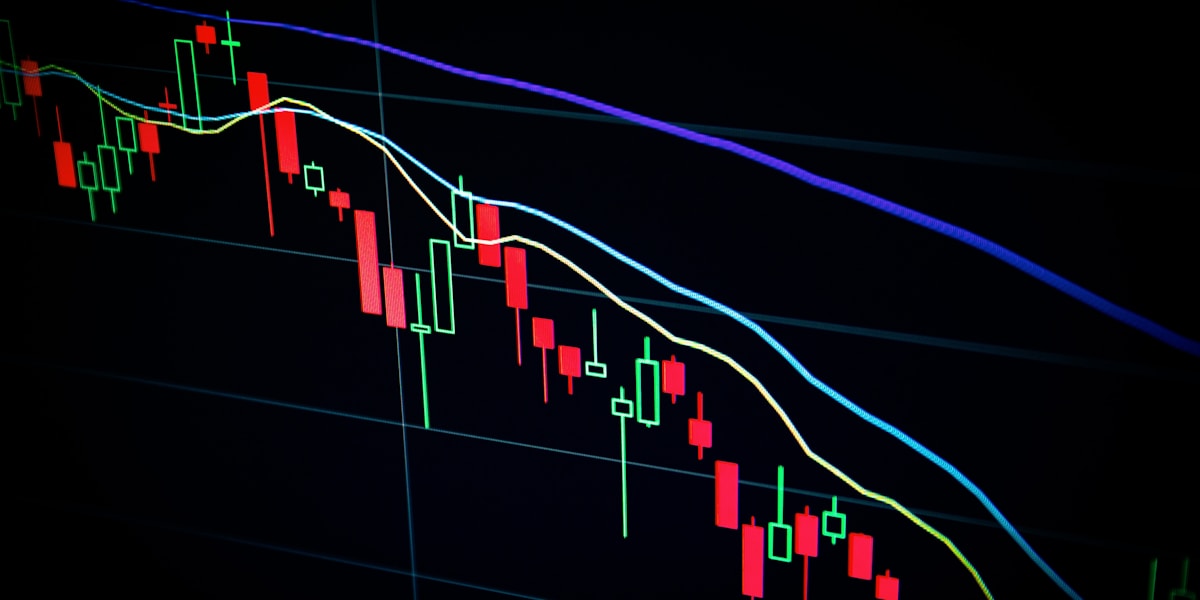
How to set effective stop losses that protect capital without getting stopped out by normal volatility.
If you trade without a stop loss, you are essentially gambling your entire portfolio on a single event. I have seen more accounts blown up by "just one more wick" than by any other trading error. Capital preservation is the first rule of survival. This guide reveals the professional stop-loss strategies I use to survive the 20% "flash crashes" that are standard in crypto.
A stop loss is a predetermined level where your trade thesis is invalidated. In crypto, where volatility is 10x higher than the stock market, these orders must be "Hard Stops" placed on the exchange, not "Mental Stops" that you hope to execute later. If you are sleeping when the crash happens, a mental stop is worth zero.
The Hierarchy of Stop Loss Placement
I found that where you place your stop is as important as having one. Placing it too close leads to "getting wicked out" by normal noise. Placing it too far leads to account ruin. We have mapped the most effective placement methods.
| Method | Logic | Best For |
|---|---|---|
| Structure-Based | Below Support/Resistance | Swing Traders |
| Volatility-Based (ATR) | Outside Market Noise | Active Day Traders |
| Time-Based | Exit after X hours/days | Trend Following |
| Dollar-Based | Risk exactly $100 | Beginners |
The Volatility-Adjusted Stop (ATR)
I found that setting stops based on fixed percentages (e.g., "always 5%") is a major mistake. A 5% move in Bitcoin is huge; a 5% move in a low-cap meme coin is just another Tuesday. You must use Average True Range (ATR). Set your stop at 2x or 3x the ATR below your entry to ensure you are only stopped out when the *trend* actually changes, not when the market just "breathes."
Technical Strategy: The "Invalidation Thesis"
A professional stop loss should be placed where, if hit, you no longer WANT to be in the trade. I recommend looking for the level that, if broken, proves your "long" idea was wrong. If you bought because a support level held, your stop belongs *under* that support. If that support breaks, your reason for buying is gone. Accept the small loss and move on to the next "A+" setup. Use our Stop Loss Optimizer to find these levels.
Trailing Stops: Locking in the Alpha
I found that "Trailing Stops" are the secret to capturing massive moves. As the price moves up, you move your stop up manually or through an automated order. This ensures that a 100% gain doesn't turn back into a loss. I recommend only moving your stop up after the price creates a "New Higher Low" on the chart. Combine this with our Ladder Sell Generator to take partial profits while the trail handles the rest.
Common Stop Loss Traps and How to Escape Them
The "Wick Hunting" Liquidity Trap
I observed that whales often "hunt" obvious stop-loss levels (like round numbers or obvious swing lows) to create liquidity for their own entries. I found that placing your stop 1-2% *below* the obvious level is the best way to avoid these "Fake Outs." Give the market room to be messy.
The "Revenge" Removal
The most dangerous moment is when the price approaches your stop. You will be tempted to move it lower to "give the trade room" because you "feel" a bounce is coming. This is gambling, not trading. I found that traders who move their stops have a 90% higher chance of blowing their accounts within 12 months. Let the stop do its job.
Conclusion: The Insurance Policy of Wealth
A stop loss is your insurance policy. You pay a "premium" (the small loss) to ensure you are never "bankrupt" (the account wipeout). Survival is the only metric that matters. I found that once a trader masters the "Small Loss," they finally unlock the ability to capture the "Big Win." Use our Risk/Reward Visualizer to ensure your stop distance is justified by your profit target.
Optimize your exits today using our Stop Loss Optimizer. Protect your capital. Trade another day.
Tags
TradingCryptoTrading

