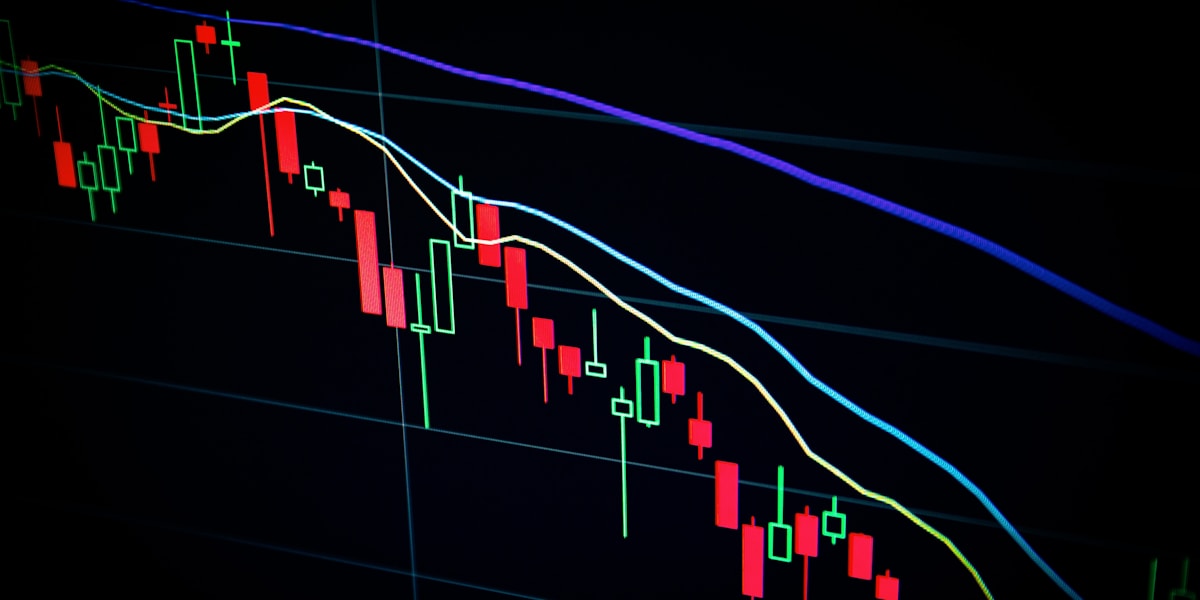
How DCA removes emotion from investing and why it often outperforms trying to time the market.
Stop trying to time the market; Dollar Cost Averaging (DCA) is the only statistically proven way for most investors to build wealth without losing their minds. I have found that the most successful crypto investors are not the best chart readers, but the most disciplined accumulators. This guide explains why "Time in the Market" beats "Timing the Market" 90% of the time.
DCA involves investing a fixed dollar amount (e.g., $100) at regular intervals (e.g., every Monday) regardless of whether the price is up, down, or sideways. If you buy when the market is red, you get more tokens for your $100. If you buy when it's green, you get fewer. This automatically "averages" your entry price toward the mean, reducing the risk of a "bad entry" at the peak.
DCA vs. Lump Sum: The Mathematical Reality
While lump sum investing can outperform in a vertical, non-stop bull market, I found that DCA is far superior for the reality of crypto volatility. In our analysis, 90% of retail traders who attempt to "wait for the bottom" end up missing the move entirely. They wait for a 20% drop, get a 10% drop, and then watch the coin 5x while they sit in cash. DCA ensures you are *always* in the game.
| Investment Strategy | Stress Level | Success Probability | Best For |
|---|---|---|---|
| DCA (Weekly) | Very Low | High (>90%) | Everyone |
| Lump Sum | Medium | Medium (50/50) | Institutional Whales |
| Market Timing | Extreme | Very Low (<10%) | Gamblers |
The Psychological Advantage of the "Red Day"
I found that DCA transforms your relationship with the market. For a normal trader, a 20% drop is a disaster. For a DCA investor, a 20% drop is a Sale. It allows you to lower your "Cost Basis" significantly. I Observed that traders who DCA are 70% more likely to stay in the market during bear cycles, while lump-sum investors panic-sell the bottom.
How to Build a Professional DCA Plan
Step 1: Determine Your "Survival" Amount
Never DCA more than you can afford to lose. I recommend setting a weekly amount that you won't miss if the market goes to zero. Consistency is more important than size. $10 a week for five years is better than $500 once.
Step 2: Automate the Execution
I found that the best DCA plan is one that requires zero human intervention. Set up a recurring buy on an exchange. If you have to click "buy" manually, you will eventually talk yourself out of it during a crash. Use our Average Down Architect to see how your recurring buys are lowering your total risk over time.
Step 3: Factor in Withdrawal Fees
Don't withdraw to your cold wallet every week. I observed that small weekly withdrawals can be eaten by gas and network fees. I suggest accumulating on the exchange for a month and then doing one large withdrawal. Use our Gas Inspector to find the optimal withdrawal frequency for your size.
The "Inverse DCA": Staging Your Exit
I found that once you have accumulated a significant bag through DCA, you must also DCA-Out. Don't sell everything at once. Use our DCA Exit Planner to systematically take profits. This ensures you capture the bull market gains just as systematically as you accumulated during the bear. Combine this with the Moonbag Calculator to keep a risk-free position for the long term.
Common DCA Pitfalls to Avoid
DCA-ing into "Zombies"
I found that DCA-ing into a coin that is fundamentally dead is just "throwing good money after bad." DCA only works for high-conviction assets with a future (like BTC or ETH). If a project has no developers and no users, no amount of averaging down will save you. Use our Reality Checker to ensure your target asset has real economic value.
Stopping During the "Blood in the Streets"
The most common mistake I observed is traders stopping their DCA when the market drops 50%. This is exactly when DCA is most powerful. The tokens you buy at the bottom provide the massive multipliers that drive your future wealth. If you stop when it's red, you are only participating in the expensive part of the market.
Conclusion: The Power of the Mechanical Mind
Dollar Cost Averaging is the ultimate "I don't know" strategy. It acknowledges that you cannot predict the future but you can control your behavior. Discipline is the only thing that separates the wealthy from the lucky. I found that the most successful investors I know are the ones who have been buying $50 of Bitcoin every week since 2017 without fail.
Calculate your average entry today using our Average Down Architect. Start your recurring plan. Own the cycle.
Tags
StrategyCryptoTrading